
Respect for living things
Sustainable winegrowing that preserves the soils, the biodiversity and the natural heritage of Lavaux for future generations.
In the mosaic of vines and villages of Lavaux,
a family passion handed down through the generations.
 Corinne
 Jean-Daniel
 Clément
Winegrowers by heart and by heritage, Corinne, Jean-Daniel and their son Clément run the family estate with the same passion as the generations before them. In their vineyards in Villette, nothing is left to chance: they tend their vines, make their wines and sell every bottle themselves.
This closeness to the vine — from pruning in winter to the autumn harvest — can be found in every glass. Here, wine is not a product; it is a conversation between a family, a terroir, and those who join them at their table.
Winegrowers and winemakers in Villette, Lavaux
Since 1515, the Porta family has been settled in the villages of Lavaux. It has grown vines here for generations: this accumulated know-how and this respect for the place shape the estate’s deep identity.
Each generation has inherited not only the vines but a philosophy: to make wines that faithfully express their origin, without artifice, with nothing but the winegrower’s skill and the generosity of the terroir.


The terraces of Lavaux follow one another between lake and mountains, shaped over generations by winegrowing families devoted to this landscape. The secret of these slopes lies in the three suns: the one in the sky, the one reflected by Lake Geneva, and the one held in the stone walls, which give back their warmth at nightfall.
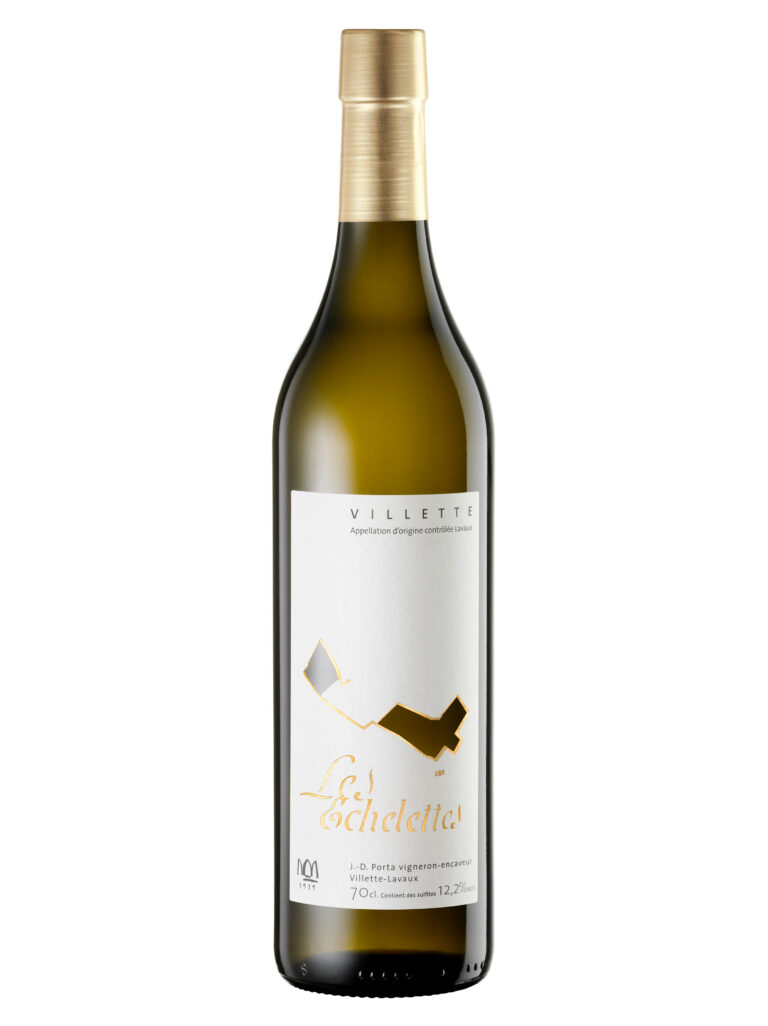
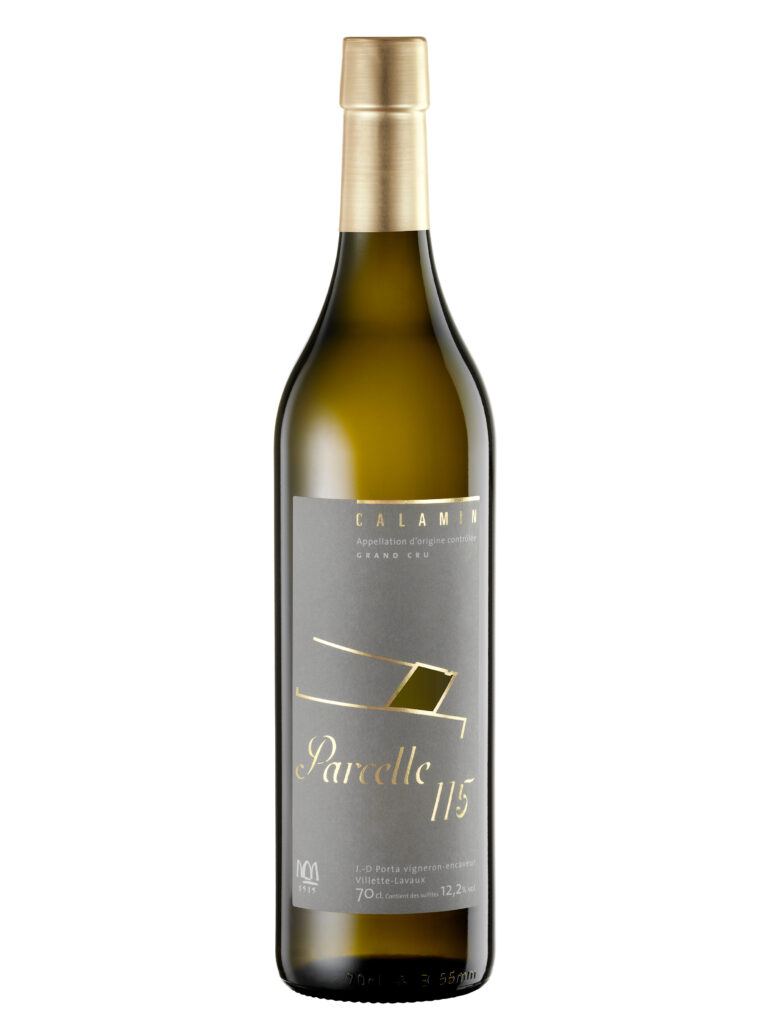
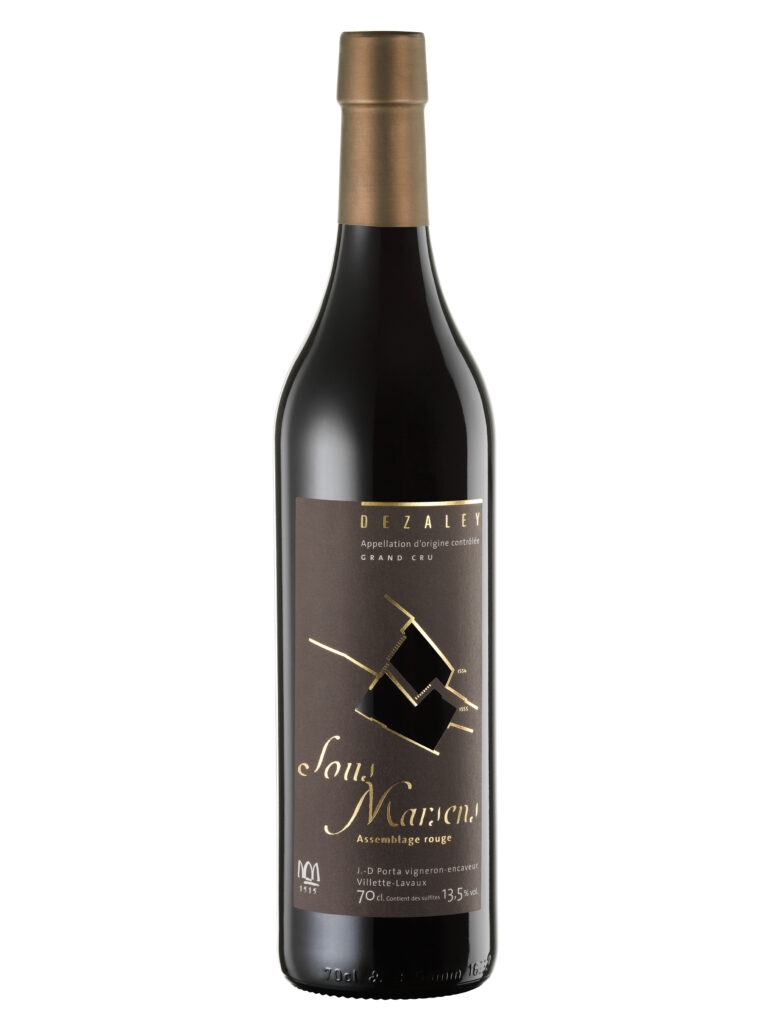
Our vines lie at the heart of this mosaic, in the Villette and Epesses appellations and in the Grands Crus of Calamin and Dézaley. An exceptional land where Chasselas expresses a minerality and finesse it finds nowhere else.


We mainly make single-variety wines, because they carry their own character. In every bottle, you will find the fruit of the grape in its purity: a Chasselas with golden glints, a fine, silky Pinot Noir, a rare and singular Plant Robert.
From vine to cellar, every decision is guided by the same standard: taking care over each step so as never to betray what the vine gives us. A sustainable approach that respects the soil and all living things.

Once the harvest is in, the work carries on in the cellar at a different pace, slower and more attentive. White grapes are pressed straight away; red grapes are left to macerate.
This is also where a wine’s character is built. Every decision is taken after analysis and tasting, never out of routine. Our approach is simple: intervene as little as possible, but always with intent, so that each bottle expresses the grape variety and the terroir it comes from.
Sustainable winegrowing that preserves the soils, the biodiversity and the natural heritage of Lavaux for future generations.
From vine to bottle, every step is done with care. We only put in the cellar what we would be proud to share at our own table.
A family settled in Lavaux since 1515, and know-how handed down from generation to generation. Preserving this living heritage is our deepest responsibility.
Four independent recognitions that attest to our origin, our terroir and our practices.



The best way to get to know a wine is still to taste it where it was born. The Porta family will be delighted to welcome you to its cellar in Villette.
— The Porta family, Villette, Lavaux
Since 2007, the exceptional beauty of the Lavaux vineyards has been recognised by UNESCO as World Heritage.
What were once scrub-covered slopes were cleared and shaped into terraces between the 11th and 19th centuries. Cistercian monks carried out this gruelling, arduous work, then called on winegrowers from the region, the “tâcherons”, to tend the vines.
Today, by working their estates, the winegrowers maintain the Lavaux vineyards and show them at their best. The region owes its strength to the many winegrowing families who keep it lively and dynamic. Many of them — ours included — came from Lombardy or Savoy. They arrived at the end of the 15th century to work the vines or to build the retaining walls.
Today, these small family businesses grow the vines, make and age the wine and sell it, often directly. The wines they produce reflect the full diversity of the winegrowers.
From our carnotzet, our tasting room, you will have a splendid view over the terraced slopes of Villette. Come and taste a selection of our wines there!
On the steep slopes of our vineyards, with their scattered plots, almost all the work is done by hand. It is constant care, all year round, that produces good-quality grapes.
Each season has its task, carried out with the help of our loyal staff:
Once the harvest is in, the white grapes are pressed straight away. We then separate the sediment from the must to make it clear: this is the settling stage. The red grapes are destemmed, then left to macerate for about ten days to draw the colour and tannins from the skins before pressing.
Winemaking rests above all on following, and listening closely to, the development of each wine. That is why we taste often, so as to intervene at the best moment with simple, traditional winemaking techniques.
To age our wines while staying true to the aromas of the grape variety, we rack them gently several times, aerate them, and pay close attention to fermentation temperatures.
Chasselas is said to be a watchmaker’s wine: very delicate, it needs to be made with finesse to keep its aromas and bring out its terroir.
The magnificent slopes of Lavaux, shaped by generations of winegrowers, inspire a sustainable approach to our craft. At Domaine Porta, we are convinced that making quality wines also means taking care of our soils and preserving biodiversity.
For more than 30 years we have practised integrated production (IP), an approach based on observing the vine, keeping interventions under control and relying on natural mechanisms. After many years of Vitiswiss certification, our estate is now certified Vin Suisse Durable, which continues that commitment and assesses, among other things, vineyard practices, biodiversity, working conditions and cellar practices.
On our steep slopes, where most of the work is done by hand, we aim to reconcile grape quality, respect for the environment and suitable working conditions.
Beyond what our certifications require, we keep developing and adapting our practices, with the aim of reducing our impact on the environment as far as we can. We favour natural means of crop protection and pay particular attention to the health of our soils and the biodiversity of our plots.
Our buildings are heated with wood pellets and fitted with solar thermal panels for hot water and photovoltaic panels for electricity. We also choose local suppliers for part of our vineyard equipment, our bottles and our boxes, to keep supply chains short.
Finally, we wash and reuse our bottles, which means fewer new bottles and fewer of the resources needed to make them.


